What We Do
Our hose work falls into three areas, and most customers use more than one of them over the life of a machine.
Hose Manufacture to Specification
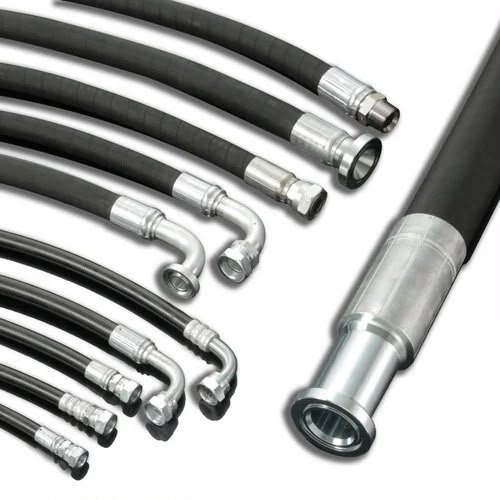
We produce hydraulic hose pipes by taking bulk hose and fittings and cutting them to the precise length required by your machine. This method is generally quicker than waiting for a hose that has already been made, particularly when the length or fitting combination is not common.
Hose Assembly
A hose assembly consists of more than just a piece of rubber; it has the appropriate fittings at both ends which are crimped to the correct diameter so as to withstand the full working pressure. We make both high-pressure and low-pressure hoses, ensuring that the fittings match those on your machine.
Hose Repair, Including On-Site Repair
When a hose fails on a machine that is in the middle of a job, we can repair and re-crimp it on site, so you are not left waiting for a full replacement. For machines that can come to us, our hose assembly bench in Manimajra handles repairs the same day in most cases.
Because our counter also stocks a wide range of fittings, we can usually build less common combinations without waiting for parts to arrive. If a particular fitting is not on the shelf, we will tell you straight away and arrange to source it, so you know exactly when the hose will be ready.
Types of Hydraulic Hose Pipe We Work With
Different circuits on a machine work at very different pressures. Using the correct hose type for each line is essential for safety and for the life of the hose.
| Hose Type | Typical Use on a Machine |
|---|---|
| High pressure, wire braided | Working lines to cylinders, such as boom, arm, bucket and loader circuits |
| High pressure, multi-spiral wire | The highest pressure lines, such as pump delivery lines on larger excavators |
| Low pressure | Return lines, drain lines and pilot lines that carry oil back to the tank |
| Suction hose | Lines between the hydraulic tank and the pump inlet |
The fittings at each end matter just as much as the hose itself. Machines from different brands use different thread and seal types, so we match the fitting to the port on your machine rather than forcing a near fit.
How We Build a Hydraulic Hose Assembly
Every hose that leaves our bench goes through the same careful steps.
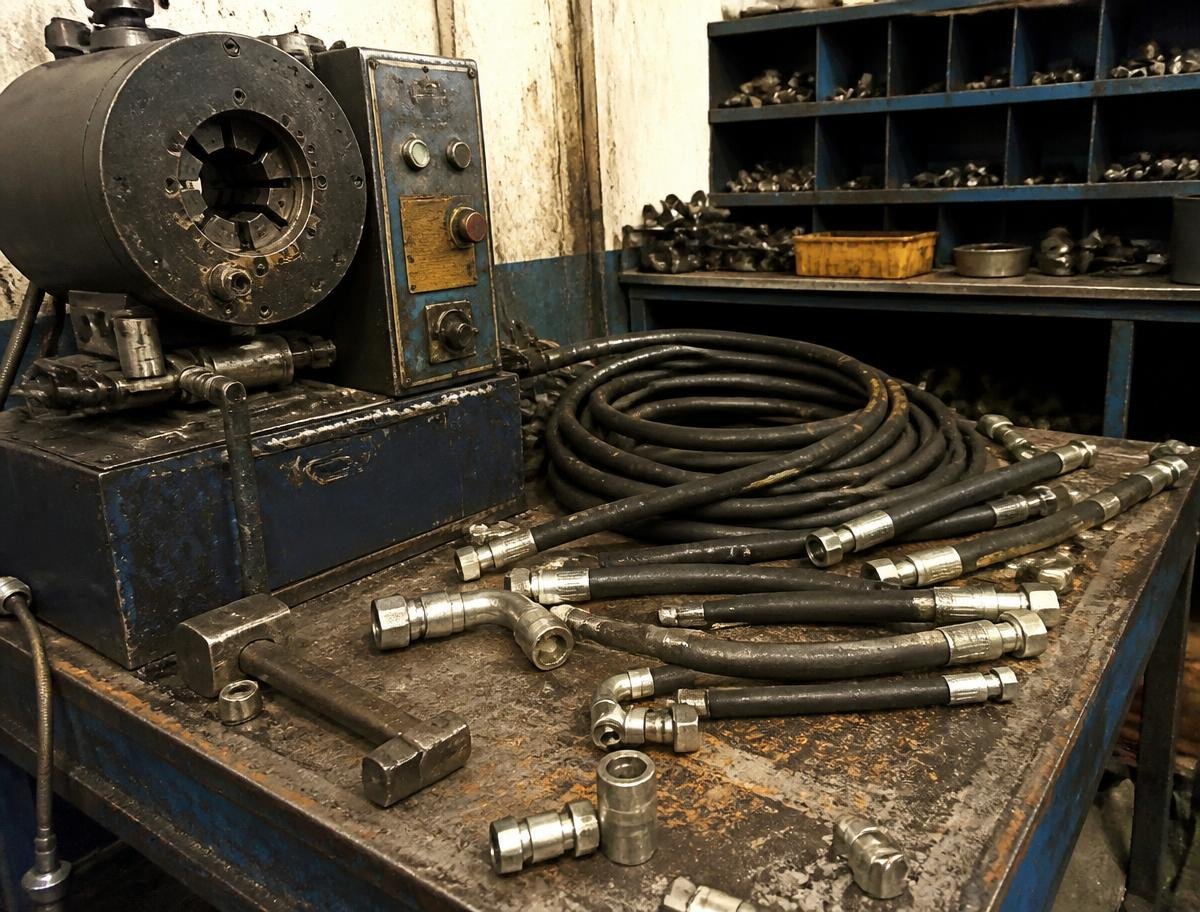
- Identify the hose. We check the old hose for its size, pressure rating and fitting types, or confirm the details from the machine's port and line.
- Measure the length. The new hose is cut to the correct length, allowing for movement of the boom or arm without stretching, kinking or rubbing.
- Prepare the ends. The hose ends are cut cleanly and prepared so that the fittings seat correctly.
- Fit and crimp. The correct fittings are pushed on and crimped to the specified diameter. A good crimp is the difference between a hose that lasts and one that blows off under load.
- Clean and check. The finished assembly is cleaned so that no cutting debris enters your hydraulic system, and it is checked before it is handed over.
Common Reasons Hydraulic Hoses Fail
Knowing why hoses fail helps you prevent the next failure. In our experience, most on-site hose problems come down to a few causes.
- Abrasion. Hoses that rub against the machine body or other hoses wear through their outer cover and then the wire layers.
- Wrong length or routing. A hose that is too short gets stretched when the boom moves, and one that is too long can snag or kink.
- Twisting during fitting. A twisted hose is weaker and can fail much earlier than expected.
- Wrong pressure rating. Using a low-pressure hose on a high-pressure line is a common cause of bursts.
- Heat. Hoses running close to the engine or exhaust harden and crack over time.
- Poor crimping. An under-crimped fitting can pull off, while an over-crimped one can damage the hose.
- Age. Even a hose that looks fine on the outside weakens with years of heat and pressure cycles.
Regular inspection catches most of these problems early. Look for cracks, bulges, wet patches, worn covers and leaking fittings during the daily check.
A Word on Hose Safety
Hydraulic oil in a working line is under very high pressure. A pinhole leak can inject oil through the skin, which can cause a serious injury that needs urgent medical attention, even if it looks small at first.
Never check for a leak by running your hand along a hose. Use a piece of cardboard or wood instead, and lower all attachments to the ground and release pressure before working on any hydraulic line. If a hose looks damaged, replace it before it bursts, not after.
Why Cleanliness Matters in Hose Assembly
The majority of failures in hydraulic components are caused by contamination. If a hose is cut, small bits of rubber and wire are produced, and if they are not removed, they will go directly into the pump, valves and cylinders.
That is the reason why each completed assembly is cleaned before it is handed over, and why we tell customers to keep the open ends capped until the hose has been fitted; a little bit of care at this stage can protect components which cost many times more than the hose.
Keeping Spare Hoses for Critical Lines
Fleet owners and contractors working far from a parts counter often keep a few ready-made hoses for the lines that fail most often on their machines. Boom and bucket lines on backhoe loaders, and lines that move with the arm on excavators, are common examples.
Having one or two spare assemblies on site can turn a full day of lost work into a short stop. We can prepare a set of commonly needed hoses for your machines, labelled by circuit, so your operators can fit the right one quickly when it matters.
Hydraulic Hose Pipe Near Me in Chandigarh, Mohali and Panchkula
If you are searching for a hydraulic hose pipe near me in the Chandigarh tricity area, our workshop in the Motor Market, Manimajra is easy to reach from Chandigarh, Panchkula, Mohali and Zirakpur. Bring the old hose with you if you can, and we will build a matching replacement while you wait.
For sites further away, we dispatch hose assemblies across Punjab, Haryana, Himachal Pradesh, Rajasthan and Uttarakhand. Send us a photo of the hose, both fittings and the length, and we will prepare the assembly and confirm the details before dispatch.
What to Bring or Send When Ordering a Hose
The quickest way to get the right hose is to give us the right information. Any of the following helps:
- The old hose itself, even if it is damaged.
- Machine brand and model, such as a JCB backhoe loader or a tracked excavator.
- The circuit the hose belongs to, for example boom, arm, bucket or return line.
- Clear photos of both fittings and any markings printed on the hose.
- The overall length, measured from the end of one fitting to the end of the other.
Other Parts Our Customers Often Need
Hose failures can sometimes signal a wider problem in the hydraulic system. If hoses keep failing on the same circuit, or the machine has become slow, it is worth checking the pump. We supply JCB hydraulic pump parts and can advise on what may be causing the issue.
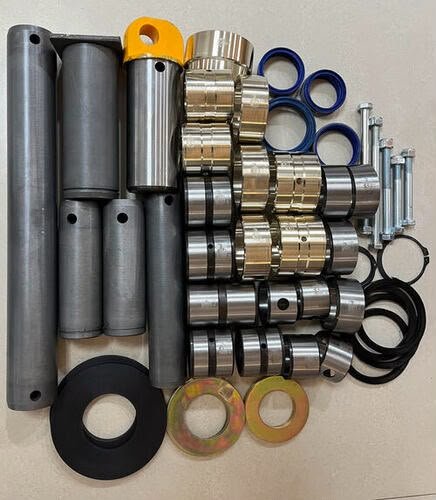
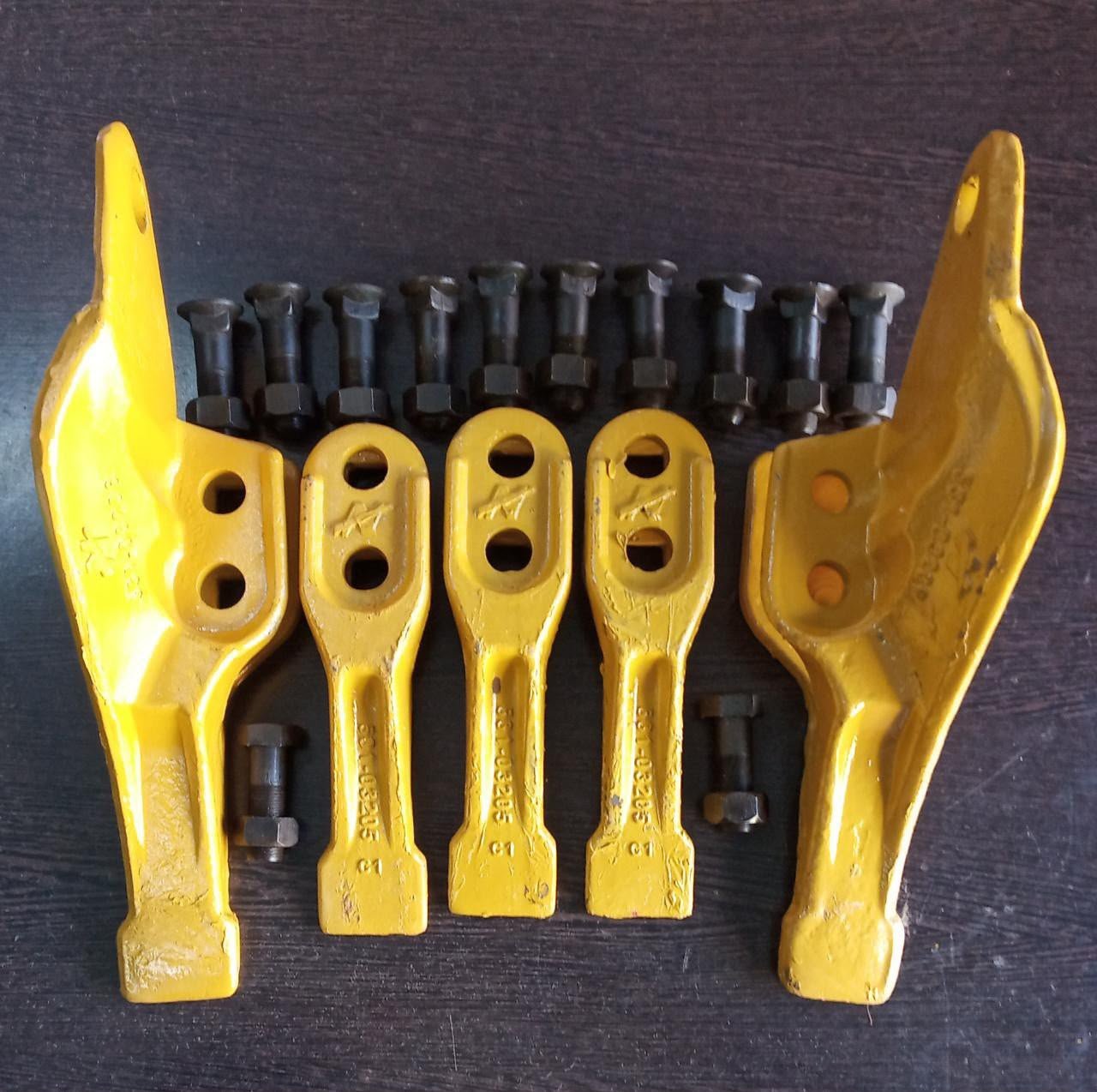
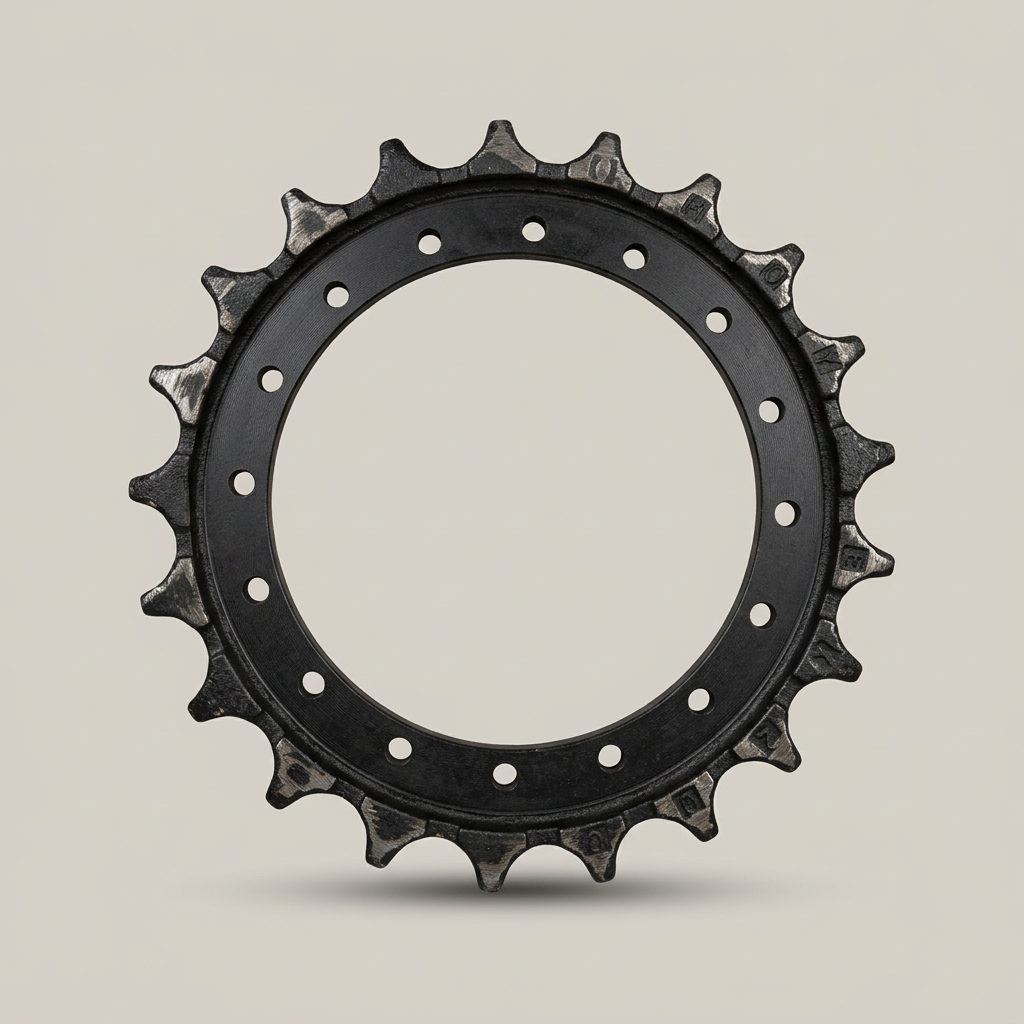
Machines that work hard on site also wear JCB pin bush kits, bucket teeth, and tooth points. For tracked machines, we supply undercarriage parts such as the excavator drive sprocket.
Frequently Asked Questions
Yes. In most cases, we can cut, fit and crimp a new hose assembly at our Manimajra workshop while you wait, as long as the hose and fittings are in stock.